It was the second day of 2025, and I, Praveena, a seasoned digital marketer, was already at my wit’s end. I’d spent years mastering the art of SEO, battling algorithm updates, and chasing keywords like a dog chasing its tail. But lately, it felt like something had shifted. My meticulously crafted content was getting lost in a sea of search results.
That evening, while wrestling with another frustrating Google update, I stumbled upon an intriguing article. It spoke of a new era in search, one powered by artificial intelligence. The article called it AEO – Answer Engine Optimization. Intrigued, I dove down the rabbit hole, devouring everything I could find about this new concept.
I learned that AEO wasn’t just about keywords and backlinks anymore. It was about understanding the intent behind a search, crafting content that provided direct, concise answers, and speaking the language of AI.
Always eager to embrace new challenges, I decided to give AEO a try. I revamped my content strategy, focusing on clear, structured information, and conversational language. I even started experimenting with voice search optimization.
The results were astonishing. My website traffic surged. My content was featured in prominent positions on search results pages. Best of all, I was connecting with my audience in a more meaningful way.
I realized that AEO wasn’t just a fleeting trend; it was the future of search. And with that realization, Pravision was born. I became an evangelist for AEO, dedicating my company to helping businesses navigate this exciting new landscape.
The moral of the story? Don’t get left behind in the dust of outdated SEO tactics. Embrace the power of AEO and unlock a world of opportunities for your business.
What is AEO?
AEO, or Answer Engine Optimization, is a new approach to search engine optimization that focuses on providing direct answers to users’ questions. This is in contrast to traditional SEO, which focuses on ranking websites for keywords. AEO is based on the idea that AI-powered search engines are becoming increasingly good at understanding the intent behind users’ searches. As a result, it is important to optimize your content in a way that makes it easy for these engines to understand and provide the answers that users are looking for.
How is AEO different from SEO?
While AEO and SEO share some similarities, there are some key differences. AEO is more focused on providing answers, while SEO is more focused on ranking for keywords. AEO also places a greater emphasis on structured data and content optimization.
What are the advantages of AEO?
There are many advantages to using AEO. One of the biggest advantages is that it can help you to get your content featured in AI-generated answers and summaries. This can help you to reach a wider audience and generate more leads. AEO can also help you to boost your authority and position yourself as an expert in your field.
How can Pravision help?
At Pravision, I am an expert in AEO. I can help you to optimize your content so that it is easy for AI-powered search engines to understand. I can also help you to create content that is engaging and informative, tailored to your specific needs and target audience.
If you are looking to get ahead of the curve, then you need to start using AEO. Contact Pravision today to learn more about how I can help you.
Okay, let’s get real. Tomorrow is January 1st. A new year. A fresh start. But hold on a second before you get swept away in the hype of resolutions and “new year, new me” mantras.
Here’s the truth: January 1st is just another day on the calendar. The world isn’t magically resetting. Your problems won’t vanish overnight. But what CAN change is your commitment to yourself.
Self-Care: Not a Resolution, a Revolution
Forget adding “self-care” to your fleeting New Year’s resolution list. This isn’t about a temporary fix or a fleeting trend. This is about a fundamental shift in how you prioritize yourself.
Ladies, listen up! We know you juggle a million roles – mother, partner, employee, friend, daughter… the list goes on. It’s time to add one more crucial box to your repertoire: SELF-CARE. And make it a big one!
Gents, this applies to you too! While society may tell you to suppress your needs, carve out space for self-care. Place it right next to that “work” or “family” box – it’s that important.
Here’s the deal:
Self-care isn’t selfish: It’s essential for your well-being, both mentally and physically. You might see me posting photos often, but that’s my form of self-care! Snapping those pictures and sharing them is how I recharge.
Self-care isn’t a luxury: It’s a necessity, like eating or sleeping. And guess what? My photos aren’t expensive. A quick selfie or a picture of my surroundings takes seconds, and I do it all myself—no fuss, no elaborate setups.
Self-care isn’t one-size-fits-all: It’s about finding what recharges YOU. Photos might be my thing, but they might not be yours. And that’s okay! Find what brings you joy and makes you feel good.
So, how do you start this self-care revolution?
Tune in: Listen to your body and mind. What are they craving?
Small steps: Start with something manageable – a 10-minute walk, a relaxing bath, reading a chapter of a book.
Make it a habit: Consistency is key. Integrate self-care into your daily routine.
Say no: Don’t be afraid to set boundaries and prioritize your needs.
This isn’t about waiting for a new year or a new beginning. It’s about choosing yourself, today and every day. Let’s make this a year of self-care, not just another year on the calendar.
Data visualization. It’s often seen as the realm of data scientists, analysts, and engineers, conjuring up images of complex charts and code. But the truth is, anyone can benefit from the power of visuals, especially when it comes to understanding and improving customer experience.
Think about it. As customer experience professionals, we’re drowning in data: customer satisfaction scores, ticket counts, resolution times, churn rates—the list goes on. Traditionally, this data might be presented in endless spreadsheets or dense reports. While valuable, let’s be honest—rows and columns of numbers can be overwhelming.
This is where data visualization comes in. By transforming raw data into charts, graphs, and dashboards, we unlock key insights that might otherwise remain hidden. Why? Because our brains are wired to process visual information much faster and more efficiently than text.
The Human Brain: Wired for Visuals
There’s a delicate balance between perception and cognition in our brains. While we can certainly read and understand data in tables, our brains simply grasp patterns, trends, and outliers more easily when they’re presented visually. A well-designed chart can tell a story in seconds, a story that might take pages to convey in words.
Data Visualization: A CX Superpower
Here’s how data visualization can revolutionize your customer experience efforts:
Identify Pain Points: Quickly spot trends in customer complaints or negative feedback. Are there recurring issues with a specific product or service? A visual representation can highlight these problem areas instantly.
Track Progress: Monitor key metrics like customer satisfaction and resolution times over time. See at a glance whether your CX initiatives are having the desired impact.
Communicate Effectively: Share insights with stakeholders in a clear and compelling way. Visuals are far more engaging and persuasive than dry reports.
Empower Your Team: Equip your customer support team with dashboards that provide real-time insights into customer behavior and performance.
A Real-World Example
In my previous role at Treasure Data, I saw firsthand the power of data visualization for customer experience. Using Zendesk Explorer, I created dashboards for my team that visualized key metrics like ticket volume, resolution time, and customer satisfaction. This allowed us to quickly identify trends, spot potential issues, and track our progress in improving customer support.
Tools for Everyone
You don’t need to be a data scientist to create effective visualizations. Plenty of user-friendly tools are available, such as:
Google Data Studio: A free tool for creating interactive dashboards from various data sources.
Tableau Public: A free platform for creating and sharing interactive visualizations.
Microsoft Power BI: A powerful business analytics service with a user-friendly interface.
Beyond the Basics
Data visualization isn’t just about pretty charts. It’s about telling a story with data. Consider these tips:
Choose the right chart type: Different charts are suited for different types of data. Experiment to find the most effective way to present your information.
Keep it simple: Avoid clutter and unnecessary complexity. Focus on the key message you want to convey.
Use color strategically: Color can be used to highlight important data points or create visual hierarchy.
Embrace the Power of Visuals
In the world of customer experience, data is king. But data visualization is the key to unlocking its true potential. By embracing the power of visuals, you can gain a deeper understanding of your customers, identify areas for improvement, and ultimately deliver exceptional experiences.
As the Christmas lights twinkle and carols fill the air, I find myself reflecting on the journey that led me to embrace this beautiful festival. Growing up in a Hindu household in Tirupati, my childhood was immersed in the vibrant traditions of my faith. Yet, it was through a series of unexpected encounters and experiences that I discovered the true spirit of Christmas, a spirit that transcended religious boundaries and resonated with my own spiritual upbringing.
This Christmas, I want to share my story, a story of how Christmas found its way into my heart and how it ultimately reinforced my belief in the universality of faith. This is a story told in three chapters:
Chapter 1: The Christmas Seed: This chapter explores my early introduction to Christmas through my Christian tutors, who opened my eyes to the beauty of this festival.
Chapter 2: Silver Bells and Christmas Carols: Here, I delve into my experiences at a Christian school, where the spirit of Christmas was woven into the fabric of school life.
Chapter 3: The Holy Land: This chapter recounts my pilgrimage to the Holy Land, where I connected with the historical and spiritual roots of Christmas.
Through these chapters, I hope to illuminate the transformative power of faith and the beauty of interfaith understanding. This is a story of how Christmas, a festival with roots in a different religious tradition, enriched my own spiritual journey and deepened my connection to the divine.
Chapter 1: The Christmas Seed
The aroma of freshly baked cake and the twinkling lights of the Christmas tree still transport me back to those cozy evenings at my tutors’ house. Growing up in Tirupati, a town steeped in the devotion to Lord Venkateswara, my childhood was a tapestry woven with vibrant threads of Hindu traditions. Yet, it was my tutors, Sulochana and Chitti Akka, who introduced me to the magic of Christmas.
They were converted Christians, their home a sanctuary of faith where the spirit of Christmas was kept alive year-round. Every day, they would gather for prayer, their voices reciting verses from the Bible, filling the air with a sense of serenity. Their home was adorned with Christmas decorations, the centerpiece being a beautifully decorated Christmas tree that sparkled with lights and ornaments. Greeting cards, adorned with festive images and heartfelt messages, added a personal touch to their décor, each card a testament to the love and connections they cherished.
But it was the stories that truly captivated me. Sulochana and Chitti Akka would recount tales from the Bible, each one leaving an indelible mark on my young mind. One story, in particular, resonated with me, a story of unwavering faith and the miraculous power of God. It taught me that miracles do happen, but they require patience and an unwavering belief in the divine. God guides us through subtle signs and whispers, and we must be attentive to these divine cues.
Their Christmas celebrations were a stark contrast to the vibrant festivities of my Hindu upbringing. Yet, they instilled in me a profound understanding: that all gods are essentially the same, their essence transcending the names we assign them and the rituals we perform. Whether we call upon Lord Venkateswara or Jesus Christ, the underlying faith and devotion remain unchanged.
Chapter 2: Silver Bells and Christmas Carols
My journey with Christmas took an unexpected turn when I joined Silver Bells, a Christian school. While there were no formal Bible study classes, the spirit of Christmas permeated every aspect of school life. Every morning began with a school prayer, a collective moment of reflection and gratitude. Christmas at Silver Bells was an experience unlike any other. The entire school transformed into a festive wonderland, with decorations adorning every corner. We staged Christmas dramas, our young voices echoing carols through the halls, and the excitement of decorating the Christmas tree was a shared joy.
The highlight of the season was our annual visit to the church. The grandeur of the church, the solemnity of the service, and the sense of community further solidified the Christmas spirit in my heart. Silver Bells, though not explicitly religious in its curriculum, nurtured the essence of Christmas through these shared experiences. It was here that the seed of Christmas, planted by my tutors, began to truly blossom.
Chapter 3: The Holy Land
Years later, my journey of faith led me to the Holy Land, a pilgrimage to the very birthplace of Christianity. Walking the streets of Jerusalem, I felt an overwhelming sense of connection to the stories that had shaped my understanding of Christmas. Visiting Bethlehem, the town where Jesus was born, was a profoundly moving experience.
But it was within the Church of the Holy Sepulchre that I felt truly humbled. Touching the Stone of Anointing, where Jesus’ body was prepared for burial, sent shivers down my spine. Seeing the imprint of a hand, believed to be that of Jesus, on a stone wall, filled me with awe. These tangible connections to the life of Jesus brought a new dimension to my faith.
Standing in that sacred space, I realized that the essence of Christmas, the message of love, hope, and redemption, transcended religious boundaries. It was a message that resonated with my own spiritual upbringing, reinforcing the belief that all paths lead to the same divine source.
My journey to the Holy Land was a culmination of the Christmas experiences that had shaped my life. It was a testament to the enduring power of faith, and a reminder that the true spirit of Christmas lies in the love and compassion we share with one another, regardless of our religious beliefs. It solidified the understanding that whether we celebrate Diwali or Christmas, whether we offer prayers in a temple, church, or mosque, the underlying current of faith and devotion remains the same.
Merry Christmas 2024! May this season bring you joy, peace, and a renewed sense of connection to the divine within and all around us.
It’s Wednesday, aka Hump Day! 🐪 That mid-week point where the weekend feels both tantalizingly close and still frustratingly far away. You might be feeling super productive, or maybe you’re just slogging through. Whatever your Wednesday vibe, I’m here to inject a little inspiration and motivation to help you conquer the rest of the week! ✨
Here’s your Hump Day dose of get-up-and-go:
Celebrate your wins: 🎉 Take a moment to acknowledge what you’ve accomplished so far this week. Finished a challenging project at work? Finally tackled that pile of laundry? Nailed a new recipe? No matter how small, recognizing your achievements—both personal and professional—can give you a much-needed boost. Give yourself a pat on the back! 🙌
Re-evaluate your goals: 🤔 Is there anything you need to adjust to stay on track? Hump Day is a great time for a mid-week check-in. Feeling burnt out? Maybe you need more sleep to tackle those tasks effectively. 😴 Consider adjusting your schedule, tasks, or even your evening routine to prioritize those precious Zzz’s. Sometimes, a good night’s sleep is the solution to almost anything!
Break down big tasks: Feeling overwhelmed? As a wise person once said, “Rome wasn’t built in a day!” 🧱 Break those larger projects into smaller, more manageable chunks. This makes daunting tasks seem less intimidating and allows you to celebrate those mini-victories along the way.
Find your focus: 🎯 What’s your top priority for today? Identify it and tackle it head-on. And don’t overthink it! If your top priority is to simply sit still for 10 minutes and recharge, then do it. No judgment here. Sometimes, the most productive thing you can do is give yourself a break. 🧘♀️
Don’t forget to breathe: When things get hectic, take a few deep breaths to re-center yourself. Count to ten. 🌬️ While it might not magically make your problems disappear, it can definitely reduce your worry and help you think more clearly. With a calmer mind, you’re better equipped to tackle those challenges head-on and find solutions faster.
Reward yourself: Plan something enjoyable for the end of the day, whether it’s a relaxing activity or some quality time with loved ones. Even better? Delegate that delicious meal prep to someone else in the house! You deserve a break. 😉 🍕
Remember: You’ve got this! You’re halfway through the week, and the weekend is within sight. Keep pushing forward, stay positive, and finish strong! 🚀
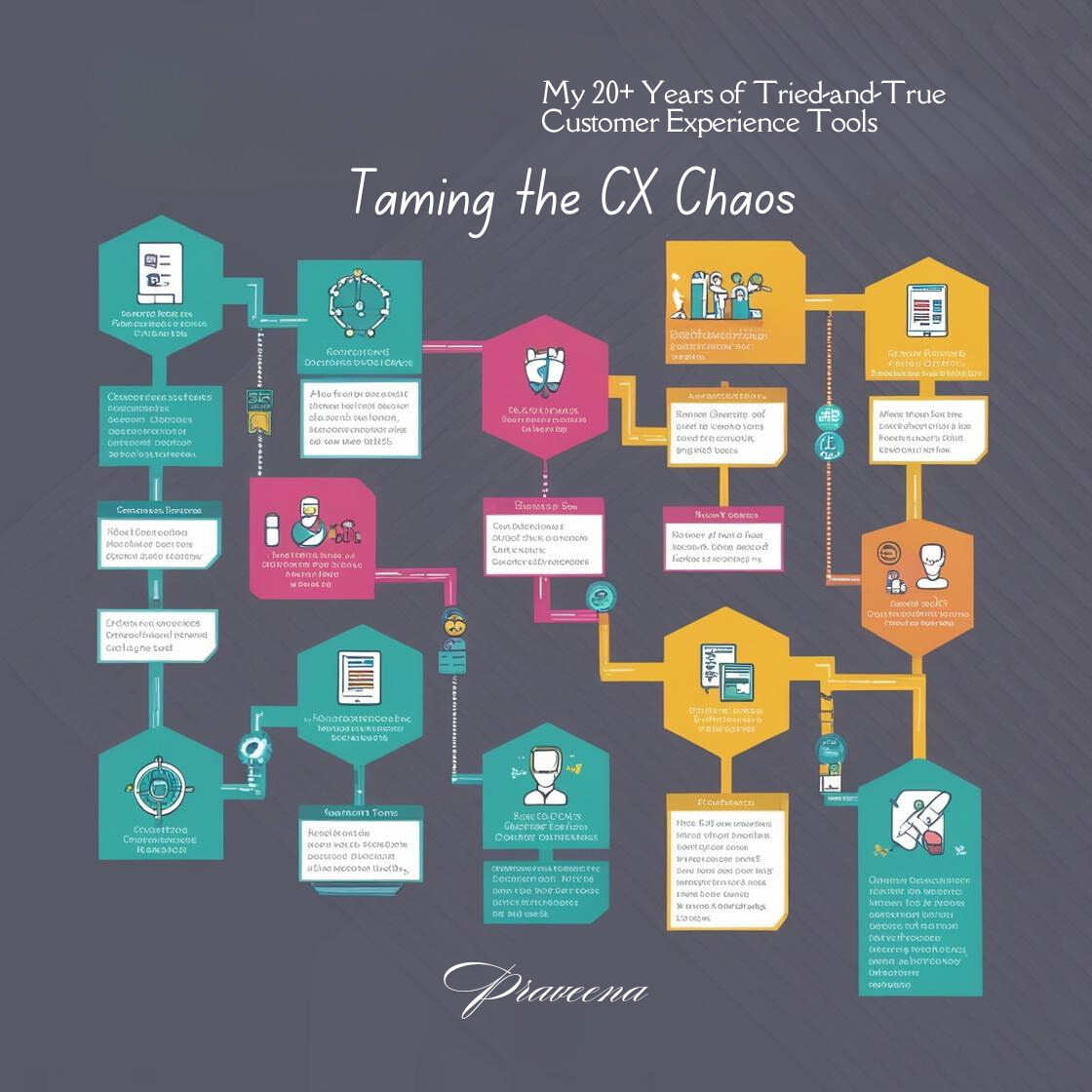
Over my 20+ year journey in the world of customer experience, I’ve worn many hats – from Customer Experience Engineer and Ops Engineer to Technical Engineer and Manager. Along the way, I’ve encountered a jungle of tools, some brilliant, some… not so much.
But through trial and error (and maybe a few frustrated sighs!), I’ve discovered some true gems that have helped me build high-performing teams and deliver exceptional customer experiences.
Disclaimer: The right tool for YOUR company depends on your specific needs and goals. Be sure to test and evaluate to ensure it helps your team, boosts efficiency, generates revenue, cuts costs, and leads to happy customers!
So, if you’re looking to level up your CX game and drive serious growth for your company, this list is for you. These are the tools that have consistently proven their worth in the trenches of customer support and success:
Your CX Command Center
A good help desk is the backbone of any CX operation. It’s where you manage incoming requests, track issues, and ensure nothing slips through the cracks. Here are a few of my favorites:
Zendesk: A classic for a reason. Zendesk is user-friendly, scalable, and packed with features.
Jira Service Desk: If your company already uses Jira for project management, this is a natural fit. It excels at collaboration and workflow automation.
Freshdesk: A strong contender with a focus on affordability and ease of use.
Salesforce Service Cloud: The enterprise-grade solution. Powerful, customizable, and integrates seamlessly with the rest of the Salesforce ecosystem.
Zoho Desk: A great option for businesses looking for an all-in-one solution with built-in CRM capabilities.
Help Scout: Known for its intuitive interface and strong focus on customer satisfaction.
Real-Time Customer Connection
For those “need it now” moments, live chat is a lifesaver. It allows you to provide instant support and build rapport with customers in real-time.
HubSpot Chat: This is a good option if you’re already using HubSpot’s marketing or sales tools.
Intercom: A popular choice with a wide range of features, including chatbots and targeted messaging.
Drift: A revenue-focused live chat platform with powerful automation and routing capabilities.
Olark: A simple and user-friendly option that’s easy to set up and use.
LiveChat: A feature-rich platform with a focus on real-time engagement and proactive support.
Tidio: A good option for small businesses, offering a free plan with basic features.
Chatra: A lightweight and affordable solution with a focus on simplicity and ease of use.
Pure Chat: A popular choice for businesses looking for a customizable and user-friendly live chat solution.
JivoChat: A multi-channel platform that combines live chat, phone calls, and social media messaging.
Userlike: A customer messaging platform that focuses on personalized conversations and proactive support.
SnapEngage: A feature-rich platform with a focus on proactive engagement and customer intelligence.
Bold360: An AI-powered platform that offers personalized and proactive support across multiple channels.
The Heart of Customer Understanding
A good CRM system helps you track customer interactions, personalize communication, and build stronger relationships. CRM systems help manage customer interactions, track leads, and organize customer data, providing valuable insights for customer success teams.
Salesforce: The undisputed king of CRM. It’s a comprehensive platform with a solution for just about every business need.
HubSpot: Offers a free CRM that’s great for small businesses, along with paid plans that pack more features.
Zoho CRM: A customizable CRM with a strong focus on automation and analytics.
Microsoft Dynamics 365: Microsoft’s enterprise-level CRM, tightly integrated with other Microsoft products.
Pipedrive: A sales-focused CRM with a visual pipeline that’s great for managing deals.
Freshsales: From the makers of Freshdesk, this CRM is designed to help you attract and nurture leads.
Insightly: Combines CRM with project management features, making it a good choice for smaller teams.
Copper: Built for Google Workspace users, Copper integrates seamlessly with Gmail and other Google apps.
Less Annoying CRM: As the name suggests, this CRM aims for simplicity and ease of use, perfect for small businesses.
Agile CRM: Offers a free plan and a wide range of features, including sales, marketing, and service automation.
Help customers help themselves.
A knowledge base provides a centralized repository of information, FAQs, and troubleshooting guides. Knowledge bases empower customers to self-serve, reducing support tickets and freeing up customer success teams to focus on high-value activities.
Zendesk Guide: A knowledge base solution from Zendesk that integrates with their help desk software. It offers features like customizable templates, analytics, and self-service portals.
Confluence: A versatile knowledge base and collaboration tool from Atlassian. It offers features like team spaces, version control, and integrations with other Atlassian products.
Document360: A knowledge base platform designed for creating and managing self-service documentation. It offers features like version control, analytics, and integrations with popular tools.
Helpjuice: A user-friendly knowledge base solution with a focus on search and organization. It offers features like customizable templates, analytics, and integrations with popular help desk software.
Guru: A knowledge management solution that delivers information to employees and customers in the context of their workflow. It offers features like knowledge base integration, in-app guidance, and user analytics.
GrooveHQ: A help desk and knowledge base solution with a focus on customer support and shared inboxes. It offers features like customizable templates, analytics, and integrations with popular tools.
Onboarding Tools for Happy Customers
Customer onboarding tools streamline and automate the onboarding process, guiding new customers to value quickly. Effective onboarding tools reduce time-to-value, improve customer satisfaction, and increase product adoption:
Userpilot: This tool helps you create in-app experiences to guide users through your product. It offers features like interactive walkthroughs, checklists, and hotspots.
WalkMe: This is a digital adoption platform that provides on-screen guidance to help users navigate software applications. It offers features like interactive walkthroughs, tooltips, and self-service support.
Appcues: This tool helps you create personalized in-app experiences to guide users through your product. It offers features like product tours, checklists, and surveys.
Pendo: This is a product experience platform that helps you understand user behavior, collect feedback, and guide users to success. It offers features like product analytics, user segmentation, and in-app messaging.
Intercom: This is a customer communication platform with features like live chat, chatbots, and product tours that can be used for onboarding.
Whatfix: This is a digital adoption solution that helps you create interactive guides, walkthroughs, and self-help resources. It offers features like in-app guidance, knowledge base integration, and user analytics.
UserGuiding: This is a no-code user onboarding tool that helps you create interactive product tours and guides. It offers features like hotspots, checklists, and user segmentation.
Hint: This is a user onboarding tool that helps you create step-by-step guides and interactive tutorials. It offers features like tooltips, hotspots, and user analytics.
Spekit: This is a just-in-time learning platform that delivers training and knowledge within the flow of work. It offers features like knowledge base integration, in-app guidance, and user analytics.
Skilljar: This is a customer training platform that helps you create and deliver online courses and certifications. It offers features like course creation tools, learner progress tracking, and gamification.
Docebo: This is a learning management system (LMS) that can be used for employee training and customer onboarding. It offers features like course creation tools, learner progress tracking, and gamification.
TalentLMS: This is a cloud-based LMS that’s easy to use and affordable, suitable for small to medium-sized businesses. It offers features like course creation tools, learner progress tracking, and gamification.
Level Up Your Customer Success
Customer success platforms provide a comprehensive suite of tools for managing customer health, tracking progress, and automating tasks. These platforms help identify at-risk customers, predict churn, and proactively engage with customers to drive adoption and loyalty.
Catalyst: This is an end-to-end customer success platform that helps businesses track customer health, automate tasks, and improve customer engagement. It offers features like customer segmentation, health scoring, and automated playbooks.
ChurnZero: This platform helps businesses reduce customer churn by identifying at-risk customers, automating tasks, and providing insights into customer health. It offers features like customer health scoring, playbooks, and reporting dashboards.
Gainsight: This is a popular customer success platform that helps businesses drive product adoption, reduce churn, and increase customer lifetime value. It offers features like customer journey mapping, health scoring, and automated playbooks.
Totango: This platform helps businesses orchestrate customer journeys, automate tasks, and improve customer engagement. It offers features like customer segmentation, health scoring, and reporting dashboards.
ClientSuccess: This platform helps businesses build stronger customer relationships, improve retention, and drive growth. It offers features like customer health scoring, playbooks, and a customer success community.
Digital Workspaces
Communication and collaboration tools facilitate seamless interaction within the team and with customers. Effective communication tools ensure everyone is aligned on customer goals and progress, leading to better outcomes.
Slack: A popular platform for team communication, file sharing, and integrations with other tools. It’s known for its user-friendly interface and robust features.
Microsoft Teams: A comprehensive collaboration platform that combines chat, video conferencing, file sharing, and integration with other Microsoft Office apps.
Zoom: A leading video conferencing tool that allows for online meetings, webinars, and virtual events. It’s known for its ease of use and high-quality video and audio.
Google Meet: A free video conferencing tool that’s integrated with other Google Workspace apps. It’s a good option for basic video calls and team meetings.
Skype: A popular platform for video and voice calls, instant messaging, and file sharing. It’s widely used for both personal and business communication.
WhatsApp: A popular messaging app that allows for text messaging, voice and video calls, and file sharing. It’s widely used for personal communication but can also be used for business purposes.
RingCentral: A cloud-based communications platform that offers a variety of features, including voice, video, messaging, and contact center solutions.
Listen to Your Customers
Survey and feedback tools collect customer feedback through various channels, such as surveys, polls, and in-app feedback forms. Gathering feedback through these tools helps understand customer sentiment, identify areas for improvement, and measure the effectiveness of customer success initiatives.
SurveyMonkey: A widely used platform with a variety of question types, survey logic, and reporting features.
Typeform: Known for its visually appealing and engaging surveys with a conversational style.
Google Forms: A free and easy-to-use tool for creating basic surveys and forms.
Qualtrics: A powerful platform for complex research needs with advanced features and analytics.
SurveySparrow: Offers conversational, chat-like surveys to increase engagement and response rates.
Hotjar: Provides heatmaps, session recordings, and feedback polls to understand website user behavior.
UserTesting: Offers a platform for getting real-time feedback on your website, app, or prototypes from actual users.
Delighted: Specializes in NPS (Net Promoter Score) surveys and provides a simple way to collect and analyze customer feedback.
Survicate: Offers a variety of survey types, including website, email, and in-app surveys, with a focus on customer feedback and user experience.
Nurture and Engage
Email marketing remains a powerful tool for customer communication, engagement, and nurturing. Here are a few platforms I’ve found effective:
Mailchimp: A popular and user-friendly platform with a wide range of features, including email templates, automation, and analytics.
Campaign Monitor: Known for its beautiful email templates and powerful segmentation capabilities.
ActiveCampaign: A robust platform that combines email marketing with marketing automation and CRM features.
Constant Contact: A good option for small businesses with simple email marketing needs.
ConvertKit: A popular choice for creators and bloggers with a focus on audience building and email list growth.
HubSpot Email Marketing: A good option if you’re already using HubSpot’s marketing or sales tools.
Team performance and productivity tools are essential for CX managers to monitor team performance, track productivity metrics, and identify areas for improvement. These tools provide valuable insights into individual and team performance, enabling data-driven coaching, workload optimization, and better allocation of resources.
NICE CXone: A comprehensive CX platform with workforce optimization features for call centers and customer support teams.
Talkdesk: Offers workforce engagement management tools to monitor agent performance, provide feedback, and gamify tasks for motivation.
Genesys Cloud: Includes workforce management features for forecasting, scheduling, and tracking agent adherence to schedules.
Lattice: A performance management platform that includes goal setting, performance reviews, and employee engagement surveys.
BambooHR: An all-in-one HR platform with performance management features, including reviews and goal setting.
15Five: A performance management platform that focuses on continuous feedback, goal setting, and employee recognition.
Reflektive: A performance management platform that helps organizations align employee goals with business objectives, provide regular feedback, and track performance.
Betterworks: A continuous performance management platform that helps organizations set goals, track progress, and provide feedback.
Glint: An employee engagement platform that provides insights into employee sentiment, helps organizations identify areas for improvement, and track progress over time.
Quantum Workplace: An employee engagement platform that offers features like pulse surveys, employee recognition, and performance reviews.
Zenefits: An HR platform for small businesses that includes performance management features, such as reviews and goal tracking.
Enhance Team Performance
Performance management techniques drive employee growth and alignment. Key methods include setting SMART goals, using 30/60/90 day plans for new hires, and leveraging the 9-box grid for talent assessment. Regular check-ins, performance reviews, and 360-degree feedback foster ongoing development. Training, coaching, mentorship, and recognition further enhance employee growth.
SMART Goals: Goals should be Specific, Measurable, Achievable, Relevant, and Time-bound.
30/60/90 Day Plans: Set clear expectations and milestones for new hires or employees in new roles within their first three months.
9-Box Grid: A performance and potential matrix used for succession planning and development.
Regular Check-ins: Conduct frequent one-on-one meetings to discuss progress, provide feedback, and address any challenges.
Performance Reviews: Conduct formal performance reviews to evaluate overall performance, provide feedback, and set goals for the future.
360-Degree Feedback: Gather feedback from multiple sources, including peers, managers, and customers, to gain a well-rounded view of performance.
Training and Development: Provide opportunities for ongoing training and development to enhance skills and knowledge.
Coaching and Mentorship: Offer coaching and mentorship programs to support employee growth and development.
Recognition and Rewards: Recognize and reward employees for their achievements and contributions.
Performance Improvement Plans (PIPs): Implement PIPs to address performance issues and provide support for improvement.
Beyond help desks and live chat, here are a few more tools that can supercharge your CX:
Gorgias: Specifically designed for e-commerce businesses, Gorgias integrates with popular platforms like Shopify and Magento.
Kustomer: An AI-powered platform that helps personalize customer interactions and automate tasks.
HubSpot Help Desk: A good option if you’re already using HubSpot’s marketing or sales tools.
SolarWinds Service Desk: A robust IT service management solution that can also be used for customer support.
In the world of customer experience (CX), it’s easy to get laser-focused on the obvious: the customers themselves and the products or services they interact with. But truly exceptional CX leaders possess a secret weapon that elevates their impact far beyond the ordinary: a deep understanding and genuine care for their team.
Leadership lessons can come from the most unexpected places. Today, mine came from an Amaran Tamil movie. I was deeply moved to discover that the film was based on the true story of Major Mukund Varadarajan, an officer in the Indian Army’s Rajput Regiment. His story, a testament to courage, strategic thinking, and unwavering dedication, resonated with me on a profound level.
Major Varadarajan’s leadership transcended the battlefield. Whether you’re leading a team in combat or navigating the complexities of the IT industry, the core principles of his leadership style hold true.
What made Major Varadarajan a great leader?
Fearless Decision-Making: In high-pressure situations, he acted decisively and with courage, showcasing the ability to think clearly when it mattered most. This is crucial in any leadership role, where quick, informed decisions can make all the difference.
Team-Oriented Approach: He prioritized the well-being and success of his team above all else. This selfless approach fostered trust and loyalty, essential ingredients for any high-performing team.
A striking example of this was his response when a senior officer commended him for his achievements during a perilous operation. Instead of taking the credit, Major Varadarajan highlighted the contribution of the team member who made the critical shot, demonstrating his commitment to recognizing and valuing the efforts of his team.
Strategic Planning: Major Varadarajan understood the importance of careful planning and tactical execution. He analyzed situations meticulously before taking action, a valuable lesson for leaders in any field.
Inspiring Example: His bravery and commitment to duty inspired his troops. Leading by example, he demonstrated the qualities he expected in his team, fostering a culture of excellence.
Composure Under Pressure: Even in the face of adversity, he maintained composure and clarity of thought. This ability to stay calm under pressure is essential for effective leadership, enabling sound decision-making even in challenging circumstances.
Leading Through Adversity:
The operation depicted in the film was a harrowing experience. It involved intense close-quarter combat with militants, where Major Varadarajan fearlessly led his team. Despite sustaining severe injuries, he prioritized the safety of his men, directing them to strategic positions and ensuring their well-being. He remained on the frontline, leading with unwavering resolve until the mission was accomplished. Tragically, Major Varadarajan made the ultimate sacrifice during this encounter.
Major Varadarajan’s story serves as a powerful reminder that true leadership is about more than just giving orders. It’s about courage, compassion, and an unwavering commitment to the success of your team. Whether you’re on the battlefield or in the boardroom, these qualities are essential for building a strong and successful team.
Salute to Major Mukund Varadarajan. His legacy of courage, selflessness, and unwavering dedication serves as an inspiration to us all.
Note: The background image was created by Canva AI. Text and analysis were added to provide a human touch and deeper insights.
Yes, it’s that time of year again! The month of December brings joy and happiness, and the festive spirit is at its peak, like a shining star on a Christmas tree. 🎄
As we celebrate the season, it’s also the perfect time for leaders and managers to show their appreciation for their employees. After all, a company isn’t just built on products, services, customers, or money—it’s built on the dedication and hard work of its employees.
𝑾𝒉𝒚 𝑬𝒎𝒑𝒍𝒐𝒚𝒆𝒆 𝑨𝒑𝒑𝒓𝒆𝒄𝒊𝒂𝒕𝒊𝒐𝒏 𝑴𝒂𝒕𝒕𝒆𝒓𝒔 While managers often focus on following company rules and cutting costs, true leaders understand the importance of investing in their employees. Recognizing their contributions, especially during the busy holiday season, is crucial for boosting morale, motivation, and increasing employee performance.
𝑯𝒆𝒓𝒆 𝒂𝒓𝒆 𝒔𝒐𝒎𝒆 𝒊𝒎𝒑𝒂𝒄𝒕𝒇𝒖𝒍 𝒘𝒂𝒚𝒔 𝒕𝒐 𝒔𝒉𝒐𝒘 𝒆𝒎𝒑𝒍𝒐𝒚𝒆𝒆 𝒂𝒑𝒑𝒓𝒆𝒄𝒊𝒂𝒕𝒊𝒐𝒏: 🎁 𝘎𝘪𝘷𝘦 𝘢 𝘚𝘱𝘦𝘤𝘪𝘢𝘭 𝘎𝘪𝘧𝘵: A small, thoughtful gift goes a long way in expressing gratitude. Remember, it’s the gesture that counts, not the price tag. 🎁 𝘌𝘲𝘶𝘢𝘭 𝘎𝘪𝘧𝘵𝘴 𝘧𝘰𝘳 𝘈𝘭𝘭: Ensure everyone feels valued by providing equal gifts across the board. 🎁 𝘊𝘰𝘮𝘱𝘢𝘯𝘺-𝘞𝘪𝘥𝘦 𝘗𝘢𝘳𝘵𝘺: Celebrate the season and your employees’ achievements with a fun and festive gathering. 🎁 𝘊𝘩𝘳𝘪𝘴𝘵𝘮𝘢𝘴 𝘚𝘩𝘶𝘵𝘥𝘰𝘸𝘯: Give everyone a well-deserved break by shutting down operations during the Christmas period. 🎁 𝘗𝘦𝘳𝘴𝘰𝘯𝘢𝘭 𝘎𝘳𝘦𝘦𝘵𝘪𝘯𝘨𝘴: Take the time to personally greet and thank each employee for their hard work.
𝑻𝒉𝒆 𝑮𝒊𝒇𝒕 𝒐𝒇 𝑨𝒑𝒑𝒓𝒆𝒄𝒊𝒂𝒕𝒊𝒐𝒏 𝒗𝒔. 𝑷𝒆𝒓𝒇𝒐𝒓𝒎𝒂𝒏𝒄𝒆-𝑩𝒂𝒔𝒆𝒅 𝑩𝒐𝒏𝒖𝒔𝒆𝒔 While many employees receive bonuses, these are often tied to performance and may vary based on individual or company-wide goals. Gifts, on the other hand, are a simple token of appreciation, separate from performance evaluations. They show employees that their contributions are valued beyond just meeting targets.
𝐀 𝐋𝐞𝐚𝐝𝐞𝐫’𝐬 𝐂𝐡𝐨𝐢𝐜𝐞: 𝑷𝒓𝒊𝒐𝒓𝒊𝒕𝒊𝒛𝒊𝒏𝒈 𝑬𝒎𝒑𝒍𝒐𝒚𝒆𝒆 𝑨𝒑𝒑𝒓𝒆𝒄𝒊𝒂𝒕𝒊𝒐𝒏 𝘏𝘦𝘳𝘦’𝘴 𝘢 𝘳𝘢𝘥𝘪𝘤𝘢𝘭 𝘪𝘥𝘦𝘢: consider reducing or even stopping one senior-level party to free up budget for employee gifts. This demonstrates a commitment to valuing every employee, regardless of their position.
𝑻𝒉𝒆 𝑶𝒖𝒕𝒄𝒐𝒎𝒆? Motivated employees who feel appreciated are more likely to go the extra mile. This can lead to increased revenue, improved employee retention, and a more positive work environment.
Let’s make this Christmas season truly special for everyone in the company!
The job search can be stressful enough without having to worry about scammers. Unfortunately, opportunistic individuals are always looking for new ways to exploit job seekers, and the latest trend is preying on anxieties around ATS-friendly resumes.
My Close Encounters with Fake Recruiters
Just this week, I had two unsettling experiences.
First, a “recruiter” named “Maria Lena” (maria.lena@topexecutiveshunt.com) emailed me, claiming my resume wasn’t ATS-friendly and directing me to a paid resume review site (advresats.com). When I informed her that my resume was already optimized, the communication abruptly stopped.
Then, “Amit Redleo” (Amit@redleosoft.com) called about a contract position. He insisted I fill out a form with personal information, including the last four digits of my SSN! Red flag! Though he initially said it was okay to skip the SSN, he later requested a photo ID. I refused until I had more information about the job and the hiring manager. He promptly disappeared.
How These Scams Work
These scammers exploit the fact that many job seekers are concerned about getting their resumes past Applicant Tracking Systems (ATS). They use this anxiety to pressure you into paying for unnecessary services or, worse, to steal your personal information.
Red Flags to Watch Out For
Unsolicited contact: Be wary of recruiters who contact you out of the blue, especially if they don’t mention a specific job or company.
Pressure to pay: Legitimate recruiters don’t charge candidates for resume reviews or other services.
Requests for sensitive information: NEVER provide your SSN, bank details, or photo ID before a formal job offer and background check (if applicable).
Generic emails: Scam emails often lack personalization, contain grammatical errors, and use generic greetings.
Suspicious links: Be cautious about clicking on links in emails from unknown senders.
Protect Yourself
Do your research: Before engaging with a recruiter, research their name and company online. Check for reviews and any red flags.
Trust your gut: If something feels off, it probably is. Don’t be afraid to ask questions and walk away if you’re uncomfortable.
Use reputable resources: There are many legitimate resources available to help you optimize your resume for ATS, including free online tools and career centers.
Stay vigilant and informed!
By being aware of these scams and knowing how to spot the red flags, you can protect yourself and your personal information during your job search.