One Pumpkin, Two Cultures, and the Mystery of the Evil Eye

An October reflection on Halloween, Indian Drishti traditions, a few strange coincidences, and two familiar faces with a spooky twist.

October is here, and pumpkins are everywhere!

Every grocery store, every neighborhood, every front porch seems to have one. Some are beautifully carved, some have scary faces, and some are just sitting there looking pretty. Then there are the skeletons hanging from trees, ghosts floating in front yards, and houses decorated as though someone is preparing to welcome an entire ghost family.

After living in America for so many years, I have gotten used to Halloween. I enjoy watching how creative people get with their decorations. But this year, looking at all those pumpkins, something funny crossed my mind.

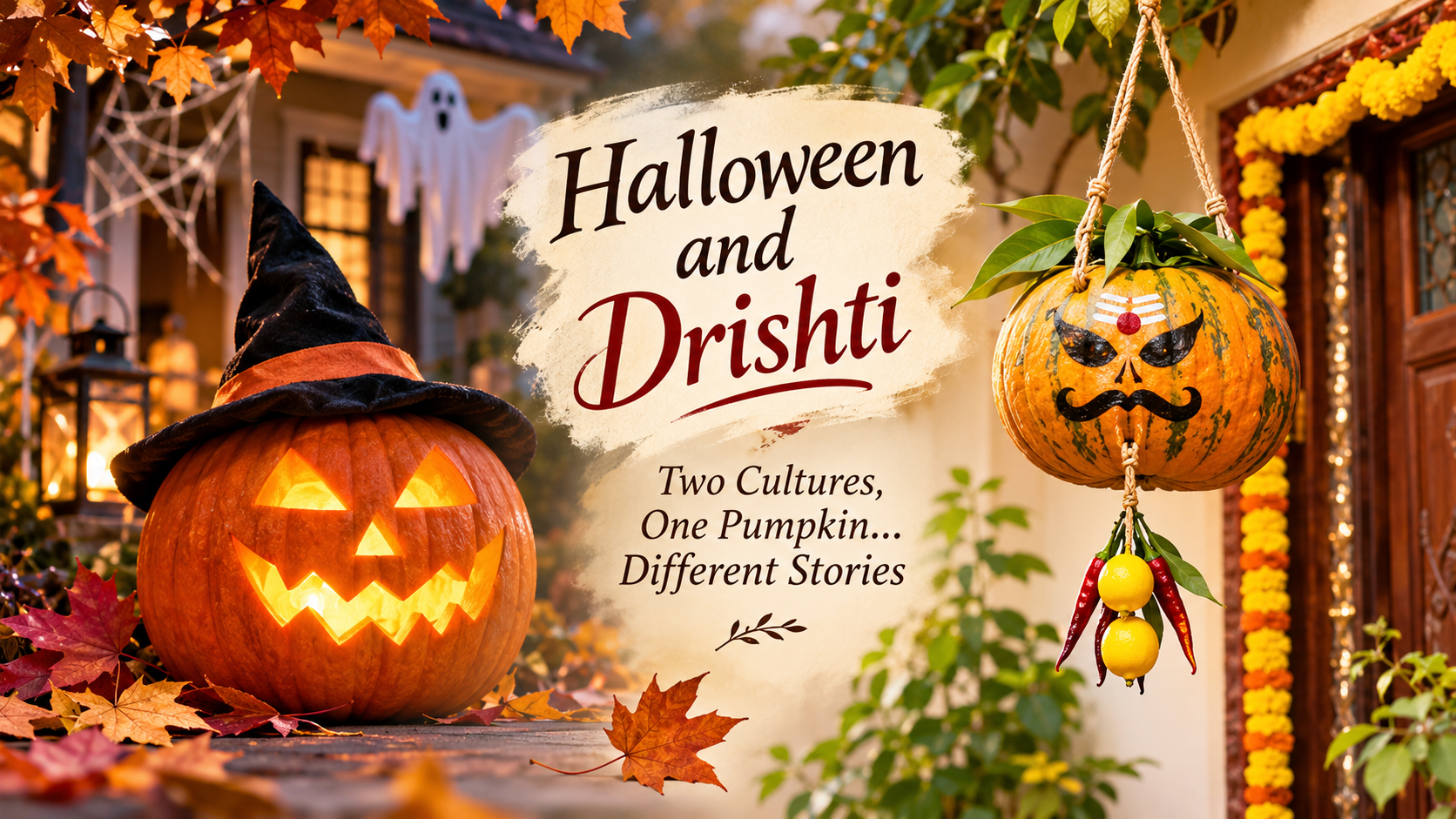
In America, people put pumpkins outside their houses for Halloween. Back in India, we also put pumpkins outside our houses, but for Drishti!

Same pumpkin, completely different purpose.

Isn’t that something?

In some Telugu households, we hang a pumpkin in front of the house to ward off the evil eye. We also have a tradition of rotating a pumpkin as part of a ritual to remove Drishti.

Here in America, people carve scary faces into pumpkins and put lights inside them. Back in India, we have our own frightening-looking Dishti Bommalu outside houses and buildings.

I started wondering how two cultures, thousands of miles apart, ended up using pumpkins in such interesting ways.

And then I remembered something that happened recently at my house.

But before I tell you about my tea — yes, this story involves my tea! — I wanted to understand where Halloween actually came from.

So, Where Did Halloween Come From?

Growing up in India, Halloween wasn’t something we celebrated. We had plenty of our own festivals, traditions, and stories about spirits. Halloween was something I came to know more about after living in America.

Today, it is all about costumes, candy, pumpkins, and decorations. But Halloween has a much older history.

One of its important historical roots is the ancient Celtic festival called Samhain, celebrated more than 2,000 years ago in parts of what are now Ireland and Britain.

Samhain marked the end of the harvest season and the beginning of winter.

Think about life back then. No electricity, no heaters, no grocery stores where you could buy whatever you needed. Winter meant darkness, cold weather, and uncertainty.

In later accounts of Celtic traditions, Samhain was associated with the belief that the boundary between the living and the spirit world became thinner around this time of year.

People had stories and rituals connected to spirits and the unknown.

As Christianity spread, older seasonal traditions interacted with Christian observances. November 1 became associated with All Saints’ Day, and the evening before it was called All Hallows’ Eve.

Over time, All Hallows’ Eve became Halloween.

Irish and Scottish immigrants brought Halloween customs to America, where the celebration gradually changed into what we see today.

What I find amusing is how something once associated with fear and the supernatural has become such a fun holiday.

Now we dress our children as ghosts, take pictures, and send them out to collect candy!

Imagine explaining that to someone living 2,000 years ago.

And How Did the Pumpkin Get Involved?

This part surprised me.

The original Halloween lanterns weren’t even made from pumpkins.

In Ireland and Scotland, people carved faces into vegetables such as turnips. These lanterns became associated with local folklore, including stories about a wandering character called Stingy Jack.

When the tradition reached North America, pumpkins were much more readily available and easier to carve.

So pumpkins replaced turnips, and the jack-o’-lantern became one of Halloween’s most recognizable symbols.

Now, whenever I see those carved faces glowing on American porches, I can’t help thinking about our Indian traditions.

We also have frightening faces displayed outside buildings, especially the Dishti Bomma (దిష్టి బొమ్మ).

And in some Telugu traditions, a pumpkin itself is used for protection from Drishti.

Of course, Halloween pumpkins and Indian Drishti pumpkins don’t have a documented common origin. They come from different cultural histories.

Still, I find it interesting that an ordinary vegetable can have such different meanings.

For one family, a pumpkin is a Halloween decoration.

For another, it is something used in a ritual to protect the home.

And for someone like me, who grew up in India and has spent many years in America, it becomes a reason to start asking questions.

Drishti — That Familiar Word From Our Childhood

If you grew up in a Telugu family, you probably heard this expression many times.

“దృష్టి తగిలింది!”

“Drishti tagilindi!”

Something goes wrong, and someone immediately wonders whether it was Drishti.

A new house, a new car, a successful business, or even a happy occasion can bring up the subject.

We hang lemons and chilies. Some families use pumpkins. Others display a Dishti Bomma.

The idea is that someone’s envy, excessive admiration, or negative attention might bring misfortune.

I don’t know how many of us actually stop to think about these customs while growing up. We see our elders doing them, and they become part of everyday life.

What is interesting is that the evil eye isn’t only an Indian belief.

In Turkey, people use the familiar blue Nazar amulet. Similar beliefs are found in Greece, the Middle East, Mediterranean cultures, and many other places.

Different objects, different rituals, but often the same concern: can another person’s attention somehow affect our happiness or good fortune?

Science hasn’t found evidence that a person’s gaze can cause supernatural harm.

But knowing that doesn’t necessarily erase the stories we grew up hearing.

Sometimes all it takes is one unexpected incident to bring those stories back.

Which brings me to my tea.

Now, Let Me Tell You About My Tea!

Anyone who has visited my house knows that I enjoy having people over.

I love sitting with friends and family, sharing food, having conversations, and making people feel comfortable. I enjoy those moments when everyone is sitting around talking, and nobody is watching the clock.

And my tea is usually part of the experience.

I make tea almost every day, often twice a day for my husband and me. Over the years, it has become something friends and family look forward to when they visit.

We have had so many conversations over cups of tea that I sometimes think my kitchen has heard more stories than anyone else!

Recently, we had family visiting from India.

We don’t get to spend much time together, so we wanted to make the most of their visit. We picked them up from the airport, took them around the Bay Area, spent time together, and introduced them to our friends.

Our friends were wonderful, too. They welcomed our guests and even invited us over for dinner.

I enjoyed seeing everyone together.

For me, welcoming someone into our home is not about what they bring or what we get in return. I have always believed that relationships are worth making an effort for, even when they don’t always turn out the way we hope.

I like people to leave our home with good memories.

Anyway, during this visit, something unusual happened.

My tea spoiled!

Now, I know what you are thinking.

“So what? Tea can spoil!”

Exactly!

But I have been making tea for so many years that I could practically make it with my eyes closed. I couldn’t remember having this happen before.

I stood there wondering what had gone wrong.

Was it the milk? Did something change in the ingredients? Did I do something differently without realizing it?

I didn’t have an answer at that moment.

Then another incident happened.

I was taking photographs when I hurt my left thumb. It became swollen and painful.

Photography is something I do all the time. Whether it is professional work, family gatherings, or simply capturing a moment, I am very comfortable with a camera.

So the injury caught me by surprise.

First, my tea. Then, my thumb.

Two small incidents that could happen to anyone.

But because they were unusual for me and happened close together, a familiar word entered my mind.

Drishti?

And that made me think.

Here I am, living in America, surrounded by technology, science, and artificial intelligence, and suddenly I am remembering the same word I heard growing up in India.

Why?

I didn’t have any reason to believe that someone had caused those incidents or wished anything bad for us. Tea can spoil for perfectly ordinary reasons, and people can get hurt while doing familiar activities.

Still, I found it interesting that my mind went to Drishti at all.

I began wondering whether this is how some superstitions survive.

Not necessarily because we are convinced they are true, but because they have been part of our thinking for so long.

Why Do We Look for a Connection When Something Goes Wrong?

Have you ever noticed how our minds work?

When everything goes normally, we don’t think much about it.

I make tea every day. Nothing unusual happens. I don’t stop to wonder why the tea turned out perfectly.

I take photographs all the time. Nothing happens. I don’t think twice about it.

But when something unexpected happens, suddenly I want an explanation.

And if two unusual things happen close together, my mind starts connecting them.

Psychologists have studied this tendency. Our brains naturally look for patterns, and sometimes we see relationships between events that may have nothing to do with one another.

There is even a term for it: illusory correlation.

That sounds very scientific, doesn’t it?

But the experience itself is so ordinary.

Something goes wrong, and we ask, “Why now?”

Depending on where we grew up, the answer that comes to mind may be different.

In India, someone might say Drishti.

Elsewhere, someone might call it bad luck.

Another person might simply shrug and say, “These things happen.”

I think our emotions also play a role.

When relationships or situations are complicated, we may notice things more closely. An ordinary coincidence can suddenly seem meaningful.

That doesn’t mean there is an invisible force behind it.

It means we are human, and our minds carry memories, feelings, and experiences along with facts.

Sometimes We Forget That Relationships Are Complicated Enough

There is one part of the Drishti belief that makes me a little uncomfortable.

The idea that someone’s jealousy or negative thoughts can cause bad things to happen to us.

How do we know what another person is thinking?

We really don’t.

Someone may be quiet, distant, or different from us. That doesn’t automatically mean they are jealous or wishing us harm.

And if something unfortunate happens afterward, it doesn’t prove anything about that person.

Over the years, I have learned that relationships don’t always work the way we wish they would.

Sometimes we want to be closer to people than they seem to want to be with us. Sometimes we make an effort and don’t receive the same effort in return.

It can be disappointing.

But I don’t want those disappointments to decide how I treat people.

I would rather welcome someone warmly because that is what I believe in, not because I am expecting them to behave a certain way.

At the same time, being generous doesn’t mean we have to ignore our feelings or forget our boundaries.

We can be kind and still be realistic.

And we certainly don’t need to blame people for a spoiled cup of tea!

From Halloween Ghosts to Our Own Chandramukhi and Arundhati

While thinking about Halloween and Drishti, another thought came to mind.

We Indians don’t really need to borrow scary characters from Hollywood. Our movies have given us plenty of sleepless nights already!

Remember Chandramukhi?

That unforgettable expression, those intense eyes, the dramatic music, and the mysterious mansion?

And what about Arundhati?

Jejamma sitting on her throne, looking powerful enough to make even the ghosts think twice before approaching her!

I remember how these movies made supernatural stories so fascinating. Even people who don’t believe in ghosts can get completely absorbed in them.

Chandramukhi is especially interesting because it explores the relationship between fear, belief, and psychology. Arundhati, on the other hand, takes us into a world where supernatural forces are real within the story, and courage becomes the weapon against them.

Two different approaches to the unknown.

And isn’t that similar to how we react to things in real life?

Sometimes we look for a logical explanation. Other times, the stories we grew up hearing are the first things that come to mind.

So, with Halloween approaching, I thought, why should Hollywood have all the fun?

Why not bring a little Telugu cinema into my October celebrations?

And that is how two new characters entered my world.

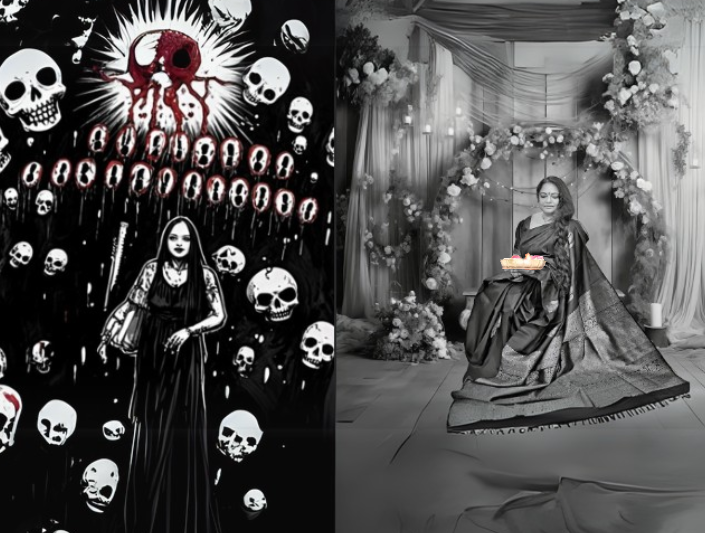
Meet Praveendhati and Praveenamukhi!

[Insert the square “Meet Praveendhati & Praveenamukhi” cinematic poster here.]

Yes, both are me!

Meet Praveendhati, inspired by the powerful Jejamma from Arundhati, and Praveenamukhi, inspired by the unforgettable Chandramukhi.

One sits on her throne with the confidence of a queen.

The other looks like she has a few unfinished conversations from another lifetime!

And both have my face.

I had so much fun imagining myself in these two dramatic characters. With a little creativity and AI, I could step into the atmosphere of the movies I remember and give them my own playful twist.

As someone who loves photography and visual storytelling, I find this side of technology fascinating. We can take an idea from our imagination and turn it into something we can actually see.

Of course, these are just creative Halloween interpretations, not a claim that I have suddenly developed supernatural powers!

Although, if Praveenamukhi could make my tea perfectly every time, I wouldn’t complain.

And if Praveendhati could protect my thumb while I am taking photographs, that would be even better!

Jokes aside, creating these characters made me think about something else.

Why do we enjoy watching ghosts and supernatural stories on a screen, but when something unexplained happens in our own lives, we sometimes become uncomfortable?

We know we are watching fiction.

Yet those stories still connect with fears, memories, and beliefs that feel familiar.

Maybe that is why Indian horror movies stay with us long after the credits roll.

They don’t just show us frightening faces. They borrow from the stories, rituals, and questions that many of us grew up with.

And for this Halloween, Praveendhati and Praveenamukhi are my little tribute to that world of imagination.

Are Halloween and Drishti Really That Different?

Coming back to Halloween, I started looking at the decorations a little differently.

In America, people carve frightening faces into pumpkins and display them outside their homes.

In India, we have frightening-looking Dishti Bommalu, and in some traditions, pumpkins are hung outside houses or rotated in rituals to remove Drishti.

There are important differences.

Modern Halloween is mostly about celebration and entertainment. Indian Drishti rituals are often performed with a genuine belief in protection.

Their histories are different, and we shouldn’t assume they are directly connected just because both involve pumpkins.

But both made me think about how people respond to the unknown.

Long ago, people had fewer scientific explanations for illness, accidents, changing seasons, and natural events. Stories about spirits and unseen forces became part of how communities understood the world.

Today, we know much more.

We understand why milk curdles. We know that injuries have physical causes. We have scientific methods to investigate things that once seemed mysterious.

Yet some old beliefs remain with us.

Maybe because traditions are not just about explanations.

They are also about memories.

About our parents and grandparents.

About the homes we grew up in.

About the things we saw people doing long before we were old enough to question them.

And when we move to another country, those memories don’t disappear.

We carry them with us.

Sometimes we don’t even realize it until something reminds us.

Like a pumpkin on an American doorstep.

Or a Telugu horror movie character appearing in our imagination during Halloween!

A Pumpkin Is Just a Pumpkin. Or Is It?

I find it amusing that the same vegetable can mean so many different things.

In my kitchen, a pumpkin is food.

In an American front yard during October, it is a Halloween decoration.

In some Indian homes, it becomes part of a Drishti ritual.

The pumpkin itself hasn’t changed.

We have given it different meanings.

And perhaps that says something about human beings.

We are constantly giving meaning to the world around us.

An object becomes a symbol.

A coincidence becomes a story.

A family practice becomes a tradition.

And after enough generations, we sometimes forget to ask where it all began.

That is why I enjoy learning about the history behind these customs.

Not because I want to prove one culture right and another wrong.

But because I find it fascinating how people in different parts of the world can be so different and yet share some very familiar ways of thinking.

This Halloween, I Will Be Looking at Pumpkins Differently

As October 31 gets closer, the Halloween decorations will only get bigger and more creative.

I will enjoy seeing the pumpkins, costumes, and decorated houses.

But I know that this year, every time I see a pumpkin outside someone’s house, I will probably remember our Indian Drishti traditions.

And perhaps I will smile at the thought of how one pumpkin can connect two completely different cultural experiences in my mind.

As for my tea, I am still making it.

And I am still taking photographs.

The spoiled tea and injured thumb were unexpected, but they gave me something interesting to think about.

Would I say it was Drishti?

I don’t know why those two incidents happened so close together, but I have no evidence that the evil eye had anything to do with them.

What I do know is that our childhood beliefs have a funny way of returning when we least expect them.

We can question those beliefs without disrespecting our traditions.

We can appreciate the stories our elders told us without accepting every explanation.

And we can enjoy another culture’s celebrations while noticing little connections to our own.

That, to me, is one of the interesting parts of living between India and America.

You get to see the world from more than one perspective.

And sometimes, all it takes is a pumpkin to get you thinking.

Next time my tea spoils, though, I think I will check the milk before worrying about Drishti!

Looking Beyond What We See

I have always believed there is more than one way to look at the world. Sometimes, changing our perspective helps us discover something new in things we have seen all our lives.

That curiosity is also part of what inspires Pravision. Through photography, creativity, storytelling, and the ideas we share, I hope to encourage people to look beyond what they see at first glance.

Creating Praveendhati and Praveenamukhi was another way of exploring that curiosity. It brought together my love of Indian cinema, photography, storytelling, and the creative possibilities of AI.

After all, sometimes a pumpkin is not just a pumpkin. It is a story waiting to be discovered.

And sometimes, behind a familiar face, there are two completely different characters waiting to come out!

Happy Halloween! 🎃

With love, a little curiosity, and just a touch of Telugu cinema drama,

— Praveena Jogi

Sharing stories, perspectives, and creative ideas through Pravision.


What About You?

Did you grow up seeing pumpkins hung outside houses to ward off Drishti? Have you seen people rotate a pumpkin to remove the evil eye?

And if you live in America, have you ever looked at a Halloween pumpkin and thought about our Indian traditions?

One more question for my Telugu movie lovers.

If you had to choose, would you rather be Chandramukhi or Jejamma from Arundhati?

And tell me, which of my Halloween characters do you like better — Praveendhati or Praveenamukhi?

I would love to hear your stories!

A Little More About the History

For anyone curious about the historical background, these are useful starting points:

Indian Drishti practices vary by region and household. The comparison with Halloween is a personal cultural observation, not a claim that the traditions share the same historical origin. Praveendhati and Praveenamukhi are creative, AI-assisted character interpretations inspired by Indian cinema.
Graphic Design Guide: Trends, Tools & Tips for 2026

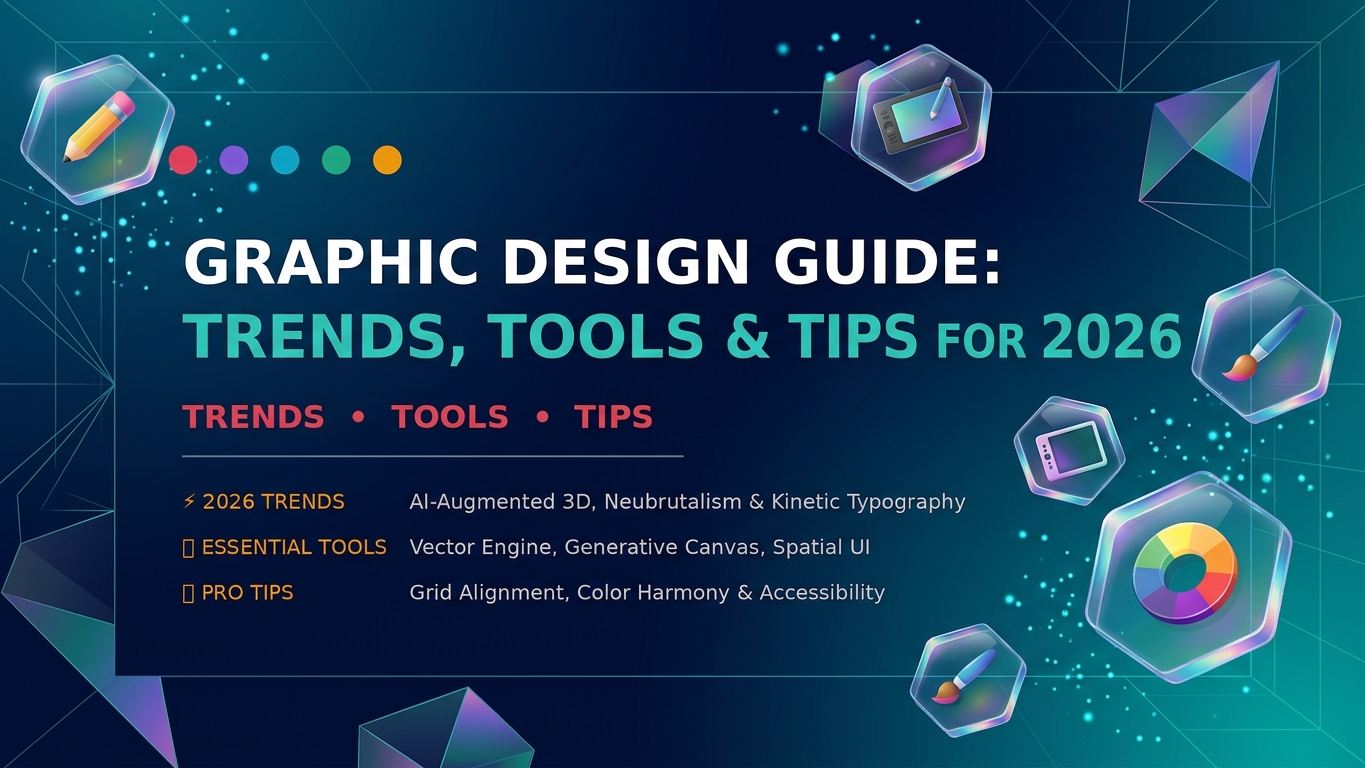
Graphic Design Guide 2026 title with colorful design tool icons in hexagonal frames on teal digital background with geometric patterns and particles.

Graphic design has evolved into one of the most dynamic and essential disciplines in the digital age, shaping how brands communicate, products are marketed, and stories are told. As we navigate through 2026, graphic design continues to blend artistic creativity with cutting-edge technology, offering unprecedented opportunities for designers and businesses alike. Whether you’re a seasoned professional or just starting your creative journey, understanding the fundamentals and latest innovations in graphic design is crucial for success in today’s visual-first world.

This comprehensive guide explores everything you need to know about graphic design, from core principles to emerging trends, essential tools, and career opportunities that define the industry in 2026.

What Is Graphic Design and Why Does It Matter?

Graphic design is the art and practice of creating visual content to communicate messages effectively. It combines typography, imagery, color, and layout to solve problems and convey ideas across various media platforms. From logos and websites to social media content and packaging, graphic design shapes our daily visual experiences.

In 2026, the importance of graphic design has reached new heights as attention spans shorten and visual content dominates digital platforms. Businesses that invest in quality graphic design see measurable returns through increased brand recognition, improved user engagement, and higher conversion rates. Strong visual communication has become a competitive necessity rather than a luxury.

The Core Elements of Effective Graphic Design

Every successful graphic design project relies on fundamental elements that work together harmoniously:

  • Typography: The art of arranging text to make written language readable and appealing
  • Color Theory: Understanding how colors interact and influence emotions and perceptions
  • Layout and Composition: Organizing visual elements to guide the viewer’s eye and create hierarchy
  • Imagery: Using photographs, illustrations, and graphics to support the message
  • White Space: Strategic use of empty space to improve readability and focus
  • Balance: Distributing visual weight to create stability and harmony

Graphic Design Trends Dominating 2026

The graphic design landscape in 2026 is characterized by a fascinating blend of technological innovation and nostalgic aesthetics. Understanding these trends helps designers stay relevant and create work that resonates with contemporary audiences.

AI-Augmented Design Workflows

Artificial intelligence has become an integral collaborator in the graphic design process. In 2026, designers leverage AI tools not to replace creativity but to enhance it. AI assists with rapid prototyping, color palette generation, layout suggestions, and even creating initial design concepts that human designers refine and perfect. The most successful designers have learned to seamlessly integrate AI capabilities while maintaining their unique creative vision.

Immersive 3D and Spatial Design

With the proliferation of augmented reality devices and spatial computing platforms, graphic design has expanded beyond flat screens. Designers now create experiences that exist in three-dimensional space, requiring new skills in depth, perspective, and interactive elements. This shift has opened exciting possibilities for brand experiences, product visualization, and environmental design.

Sustainable and Ethical Design Practices

Conscious consumers in 2026 demand that brands demonstrate environmental and social responsibility. This extends to graphic design choices, including digital-first approaches that minimize print waste, accessible design that serves diverse audiences, and authentic visual storytelling that avoids stereotypes and promotes inclusivity.

Dynamic and Adaptive Visual Systems

Static logos and fixed brand guidelines are giving way to flexible design systems that adapt to context, platform, and user preferences. Responsive design now extends beyond screen sizes to include personalization based on user behavior, time of day, and even environmental factors.

Essential Tools for Graphic Design in 2026

The graphic design toolkit has expanded significantly, offering solutions for every skill level and specialization. Here are the categories and tools that define professional practice in 2026:

Industry-Standard Software

Professional graphic design still relies on robust desktop applications that offer comprehensive features:

  • Adobe Creative Cloud: Photoshop, Illustrator, and InDesign remain industry standards for raster graphics, vector design, and layout respectively
  • Affinity Suite: Increasingly popular alternatives offering professional features with a one-time purchase model
  • Figma and FigJam: Collaborative design platforms that have expanded from UI/UX into broader graphic design applications

AI-Powered Design Assistants

Next-generation tools that accelerate creative workflows include intelligent suggestion engines, automated design variation generators, and smart asset management systems that organize and retrieve design elements using natural language.

Specialized Applications

Depending on your graphic design focus, specialized tools for motion graphics, 3D modeling, typography design, and brand identity development offer advanced capabilities that general-purpose software cannot match.

Building a Career in Graphic Design

The graphic design profession offers diverse career paths, from traditional agency roles to freelance entrepreneurship and specialized niches. In 2026, the job market for skilled designers remains robust, with particular demand for those who combine creative talent with technical proficiency.

Skills That Set You Apart

Beyond artistic ability, successful graphic designers in 2026 possess:

  • Understanding of user experience and interface design principles
  • Proficiency with both AI-assisted tools and traditional design software
  • Knowledge of accessibility standards and inclusive design practices
  • Ability to work within design systems and maintain brand consistency
  • Strong communication skills to present and justify design decisions
  • Basic coding knowledge for web and interactive projects

Education and Professional Development

While formal education in graphic design provides valuable foundation, the field increasingly values demonstrable skills and portfolio quality over credentials alone. Continuous learning through online courses, workshops, and self-directed projects keeps designers competitive in this rapidly evolving field.

Best Practices for Creating Impactful Graphic Design

Regardless of the specific project, certain principles consistently produce effective graphic design results:

Start with strategy: Understand the objective, audience, and message before opening design software. The most beautiful design fails if it doesn’t serve its purpose.

Maintain consistency: Develop and adhere to visual systems that create recognition and cohesion across all touchpoints.

Prioritize readability: Ensure that text is legible and information hierarchy guides viewers through content logically.

Design for accessibility: Consider color contrast, text size, alternative text, and how your designs serve users with various abilities.

Iterate and refine: Great graphic design rarely emerges fully formed. Allow time for experimentation, feedback, and improvement.

Stay inspired: Regularly explore design galleries, follow industry leaders, and expose yourself to art and culture beyond the design world.

The Business Side of Graphic Design

Whether working in-house, at an agency, or as a freelancer, understanding the business aspects of graphic design is essential for career success. This includes pricing your work appropriately, managing client relationships, protecting your intellectual property, and marketing your services effectively.

In 2026, many graphic designers build diversified income streams through client work, selling templates and assets, creating educational content, and licensing their designs. The digital marketplace has made it easier than ever to monetize creative skills globally.

Frequently Asked Questions About Graphic Design

What qualifications do you need to become a graphic designer?

While many graphic designers hold degrees in design or related fields, formal education is not strictly required. In 2026, employers and clients primarily evaluate portfolios demonstrating strong design skills, creativity, and the ability to solve visual communication problems. Many successful designers are self-taught, having learned through online courses, tutorials, and dedicated practice. However, formal education can provide structured learning, networking opportunities, and foundational knowledge that accelerates career development.

How is AI changing graphic design?

AI is transforming graphic design by automating routine tasks, generating design variations quickly, and offering intelligent suggestions that enhance creativity rather than replace it. In 2026, the most successful designers use AI as a collaborative tool for brainstorming, rapid prototyping, and handling repetitive work, which frees them to focus on strategic thinking, creative direction, and the human elements of design that AI cannot replicate. The key is learning to work alongside AI while maintaining your unique creative perspective.

What’s the difference between graphic design and UI/UX design?

Graphic design focuses on creating visual content for communication and aesthetic purposes across various media, including print, digital, and environmental applications. UI (User Interface) design specifically addresses how digital products look and feel, while UX (User Experience) design encompasses the entire user journey and interaction with a product. While there is significant overlap—especially in visual design skills—UX design requires additional knowledge of user research, information architecture, and interaction design. Many designers in 2026 work across these disciplines, as the boundaries continue to blur.

How much should I charge for graphic design services?

Graphic design pricing varies widely based on experience, specialization, geographic location, project complexity, and client budget. In 2026, freelance designers typically charge between $50-$200 per hour, while project-based pricing might range from $500 for simple logos to $50,000+ for comprehensive brand identity systems. Research industry standards for your market, consider your experience level and operating costs, and don’t undervalue your expertise. Many designers find project-based pricing more profitable than hourly rates once they become efficient at scoping work accurately.

What software is essential for graphic design beginners?

Beginners in 2026 have excellent options at various price points. Free tools like Canva, GIMP, and Inkscape provide solid foundations for learning design principles. As skills develop, Adobe Creative Cloud (Photoshop, Illustrator, InDesign) remains the industry standard, though Affinity Designer and Affinity Photo offer professional capabilities with one-time purchases. Figma provides free collaborative design tools particularly valuable for digital projects. Start with free options to learn fundamentals, then invest in professional software as your skills and income justify the expense.

The Great Debate

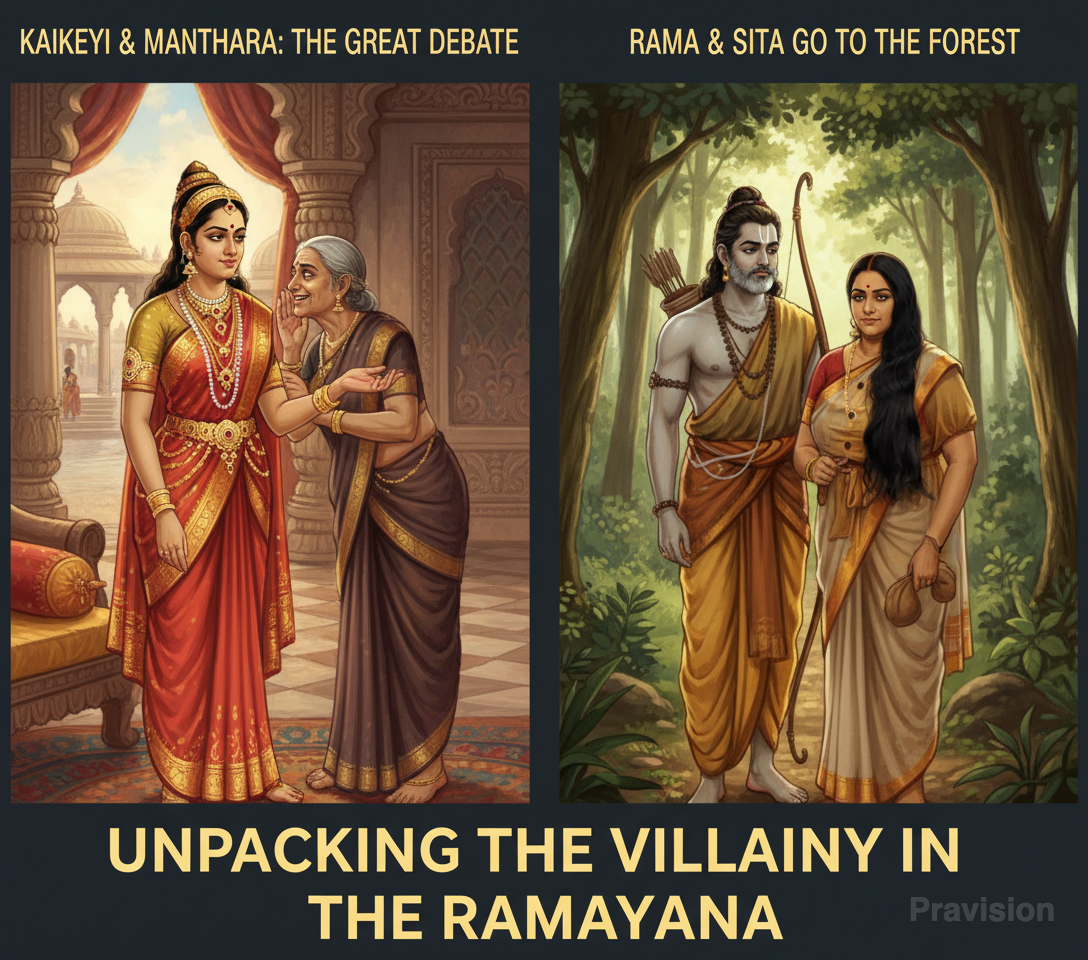
Two-panel illustration: Left shows Kaikeyi in red sari debating elderly Manthara in palace; right shows Rama with bow and Sita in forest. Hindu mythology artwork.

Kaikeyi or Manthara

During a recent ladies’ evening, amidst the usual lively chatter, an unexpected topic completely seized the room: Who is the true villain of the Ramayana—Queen Kaikeyi or the maid Manthara?

You might wonder why such a deep, ancient epic found its way into a modern party, but the truth is, the topic was instantly captivating. It sprang up when a friend described her challenge in teaching Bala Vihar. To engage today’s kids in stories like the Ramayana, she has to contextualize the lessons in modern life. As an activity, she posed this very question to her students: Who is the bad person?

The results, both in her classroom and at our party, were striking: Approximately 90% chose Kaikeyi, and 10% chose Manthara.

Meet the Instigators

To set the stage:

  • Manthara: The cunning, hunchbacked maid. She is the initial poison, the one who plants seeds of jealousy and suspicion in the Queen’s mind. She is the architect of the tragedy.

  • Kaikeyi: The youngest and once-beloved Queen, mother of Bharata. Before the banishment, she was known for her deep affection for Rama. She is the executor of the tragedy, the one who ultimately forces the devastating demand upon the King.

Why the Majority Blames Kaikeyi

The argument for Kaikeyi’s greater guilt relies on the principle of accountability. As a Queen and a mother, she had the ultimate authority. Manthara could only suggest, but Kaikeyi chose to act. She allowed a single person’s jealous counsel to override her lifelong love for Rama and her husband, Dasharatha. Even if Manthara planted the seed, Kaikeyi was the fertile ground.

Why the Minority Sides with Manthara

Those who blame Manthara focus on causation. Without Manthara’s persistent, malicious effort, Kaikeyi would have happily seen Rama crowned. Manthara introduced the idea of royal injustice where none existed. In this view, Kaikeyi was a vulnerable victim of psychological warfare—not acting as herself, but as a tool of Manthara’s malice.

The “Karmic/Divine” Perspective: The Destiny Argument

Beyond the human drama lies a deeper layer often discussed in traditional circles: The Destiny Argument. In many retellings, it is believed that the gods intervened to ensure the higher purpose of Rama’s incarnation was fulfilled. It is said that the Goddess Saraswati “sat on Manthara’s tongue” or clouded Kaikeyi’s intellect to trigger the exile.

From this perspective, neither woman is a true villain; they were mere instruments of a larger cosmic plan. If Rama had not been sent to the forest, the demon-king Ravana would never have been defeated. While this doesn’t erase their earthly actions, it suggests that their “villainy” was a necessary catalyst for the triumph of Dharma.

The Final Verdict: Influence vs. Action

The debate boils down to a timeless question: Is the person who originates the evil idea worse than the person who has the power and acts upon it?

Our party agreed: While Manthara is the initial source of the poison, Kaikeyi is the greater villain. A powerful person is always accountable for the choices they make, regardless of the influence. Manthara was the whisper, but Kaikeyi was the roar that tore the kingdom apart.

Now, we turn the question over to you: Does the “Destiny Argument” change your view, or do you still hold the individuals accountable? Who do you believe is the true villain? Share your thoughts in the comments below!

SHARE :

Facebook

Twitter

LinkedIn

Written By

Praveena Jogi


Let’s Talk

More Articles

The Secret of Nothing

Snow-capped mountain peak with base camp tents and buildings in alpine meadow below, clear blue sky overhead.

The Secret of Nothing

From శూన్యం (Śūnyam) to Spiritual Abundance

How many of you know the true secret, the Rahasya of the legendary Chidambaram Temple? It’s a secret about nothing—a space where Shiva dances in the form of pure ether, a void that is, paradoxically, everything.

Just a year ago, this concept of nothingness (Telugu: శూన్యం) was the unlikely starting point for my spiritual journey with my G.

Out of Nothing, Everything Manifested

Life was simply the daily routine: cook, work, sleep, eat, chat, clean. There was no grand plan for travel. We had no set vacation time carved out, no dedicated budget, and frankly, no great health to speak of. We started with literally nothing arranged.

Yet, this journey—from nothing to everything—is the true meaning of the Chidambaram secret.

It began with one simple, pure thought in G’s mind: a desire to visit Kailash. From that single seed of intention, everything miraculously fell into place. Our journey expanded to include the most sacred spots: Varanasi, Ayodhya, and Prayagraj.

This experience taught me the deepest lesson: the true Chidambaram Rahasya is finding your inner conscience and letting that conscience find you everything you need.

Measuring Faith: A Question of Duty

This entire experience brings up a question I often ponder, especially regarding my role as a wife: Is it enough to be a “good house wife” if you only offer formal prayers twice a year?

I confess I’m not the house wife who adheres to the strict 5 AM shower and daily prayer routine. I fulfill my duties and do my work when I like. My formal, ritual prayers happen only on Vinayak Chavithi and during Deepavali.

I leave the judgment of this practice to each individual, as devotion is a personal measure. But for me, there is no measurement, because who are we to measure the divine?

God is in the Gratitude, Not the Asking

My faith is simple and constant: I believe in God, and God is everywhere.

I don’t need to ask Them for help when times are difficult, because They are always with me, watching over me. They know exactly what to do and when to do it.

My practice is one of constant gratitude. I think of God, fetching their names many times a day—to thank Them, to share my day with Them, to talk to Them. The moment my work is done, my first thought is appreciation for their presence and protection.

The secret of nothing—the శూన్యం—is the realization that profound devotion is not confined to grand rituals or temple visits. It is found in the simple, continuous gratitude woven into the fabric of everyday life. The small, daily acts are the prayer.

What does the concept of nothingness mean for your faith and your life? Share your thoughts below.

SHARE :

Facebook

Twitter

LinkedIn

Written By

Praveena Jogi


Let’s Talk

More Articles

Faith, Festivals, and the Universality of the Divine

Polaroid photo clipped to frost-covered evergreen branch showing woman posing before illuminated Christmas tree with gold ornaments.

As the Christmas lights twinkle and carols fill the air, I find myself reflecting on the journey that led me to embrace this beautiful festival. Growing up in a Hindu household in Tirupati, my childhood was immersed in the vibrant traditions of my faith. Yet, it was through a series of unexpected encounters and experiences that I discovered the true spirit of Christmas, a spirit that transcended religious boundaries and resonated with my own spiritual upbringing.

This Christmas, I want to share my story, a story of how Christmas found its way into my heart and how it ultimately reinforced my belief in the universality of faith. This is a story told in three chapters:

  • Chapter 1: The Christmas Seed: This chapter explores my early introduction to Christmas through my Christian tutors, who opened my eyes to the beauty of this festival.
  • Chapter 2: Silver Bells and Christmas Carols: Here, I delve into my experiences at a Christian school, where the spirit of Christmas was woven into the fabric of school life.
  • Chapter 3: The Holy Land: This chapter recounts my pilgrimage to the Holy Land, where I connected with the historical and spiritual roots of Christmas.

Through these chapters, I hope to illuminate the transformative power of faith and the beauty of interfaith understanding. This is a story of how Christmas, a festival with roots in a different religious tradition, enriched my own spiritual journey and deepened my connection to the divine.

Chapter 1: The Christmas Seed

The aroma of freshly baked cake and the twinkling lights of the Christmas tree still transport me back to those cozy evenings at my tutors’ house. Growing up in Tirupati, a town steeped in the devotion to Lord Venkateswara, my childhood was a tapestry woven with vibrant threads of Hindu traditions. Yet, it was my tutors, Sulochana and Chitti Akka, who introduced me to the magic of Christmas.

They were converted Christians, their home a sanctuary of faith where the spirit of Christmas was kept alive year-round. Every day, they would gather for prayer, their voices reciting verses from the Bible, filling the air with a sense of serenity. Their home was adorned with Christmas decorations, the centerpiece being a beautifully decorated Christmas tree that sparkled with lights and ornaments. Greeting cards, adorned with festive images and heartfelt messages, added a personal touch to their décor, each card a testament to the love and connections they cherished.

But it was the stories that truly captivated me. Sulochana and Chitti Akka would recount tales from the Bible, each one leaving an indelible mark on my young mind. One story, in particular, resonated with me, a story of unwavering faith and the miraculous power of God. It taught me that miracles do happen, but they require patience and an unwavering belief in the divine. God guides us through subtle signs and whispers, and we must be attentive to these divine cues.

Their Christmas celebrations were a stark contrast to the vibrant festivities of my Hindu upbringing. Yet, they instilled in me a profound understanding: that all gods are essentially the same, their essence transcending the names we assign them and the rituals we perform. Whether we call upon Lord Venkateswara or Jesus Christ, the underlying faith and devotion remain unchanged.

Chapter 2: Silver Bells and Christmas Carols

My journey with Christmas took an unexpected turn when I joined Silver Bells, a Christian school. While there were no formal Bible study classes, the spirit of Christmas permeated every aspect of school life. Every morning began with a school prayer, a collective moment of reflection and gratitude. Christmas at Silver Bells was an experience unlike any other. The entire school transformed into a festive wonderland, with decorations adorning every corner. We staged Christmas dramas, our young voices echoing carols through the halls, and the excitement of decorating the Christmas tree was a shared joy.

The highlight of the season was our annual visit to the church. The grandeur of the church, the solemnity of the service, and the sense of community further solidified the Christmas spirit in my heart. Silver Bells, though not explicitly religious in its curriculum, nurtured the essence of Christmas through these shared experiences. It was here that the seed of Christmas, planted by my tutors, began to truly blossom.

Chapter 3: The Holy Land

Years later, my journey of faith led me to the Holy Land, a pilgrimage to the very birthplace of Christianity. Walking the streets of Jerusalem, I felt an overwhelming sense of connection to the stories that had shaped my understanding of Christmas. Visiting Bethlehem, the town where Jesus was born, was a profoundly moving experience.

But it was within the Church of the Holy Sepulchre that I felt truly humbled. Touching the Stone of Anointing, where Jesus’ body was prepared for burial, sent shivers down my spine. Seeing the imprint of a hand, believed to be that of Jesus, on a stone wall, filled me with awe. These tangible connections to the life of Jesus brought a new dimension to my faith.

Standing in that sacred space, I realized that the essence of Christmas, the message of love, hope, and redemption, transcended religious boundaries. It was a message that resonated with my own spiritual upbringing, reinforcing the belief that all paths lead to the same divine source.

My journey to the Holy Land was a culmination of the Christmas experiences that had shaped my life. It was a testament to the enduring power of faith, and a reminder that the true spirit of Christmas lies in the love and compassion we share with one another, regardless of our religious beliefs. It solidified the understanding that whether we celebrate Diwali or Christmas, whether we offer prayers in a temple, church, or mosque, the underlying current of faith and devotion remains the same.

Merry Christmas 2024! May this season bring you joy, peace, and a renewed sense of connection to the divine within and all around us.

SHARE :

Facebook

Twitter

LinkedIn

Written By

Praveena Jogi


Let’s Talk

More Articles

PJ4Ever Photography: Breaking the Mold of Ordinary Photography

Woman wearing oversized sunglasses and textured wide-brimmed hat in black and white portrait photography

Let’s face it, most photographers follow a predictable formula: pose the subjects, snap the shot, and apply some basic editing. But what if you crave something more? Something that truly reflects your unique personality and style? And what if you’re tired of feeling like you have to fit into a certain mold to look good in photos?

That’s where PJ4Ever Photography, helmed by the visionary Praveena Ane Nenu, steps in. Praveena understands that your photos should be as individual as you are, and that true beauty comes in all shapes, sizes, and forms.

Here’s how PJ4Ever Photography stands out from the crowd:

Feature Typical Photographers PJ4Ever Photography
Posing Stiff, traditional poses. Everyone lined up or sitting awkwardly. Dynamic and natural poses that capture genuine emotion and interaction.
Angles Straight-on, predictable angles. Creative angles that add depth and visual interest. Think high angles, low angles, and unique perspectives.
Lighting Reliance on natural light or basic flash. Masterful use of light and shadow to create mood and drama.
Colors Standard color correction for brightness and clarity. Emphasis on vibrant colors and creative color grading to enhance the mood and story.
Editing Basic Photoshop edits for touch-ups. A blend of artistic techniques and effects to create truly unique and stylized images.
Overall Result Generic photos that look like everyone else’s. One-of-a-kind images that tell your story in a captivating way.

 What makes PJ4Ever Photography truly special?

Read more

The Dance of Nature, Human, and AI: A Collaboration in Creativity

Rain and Fall

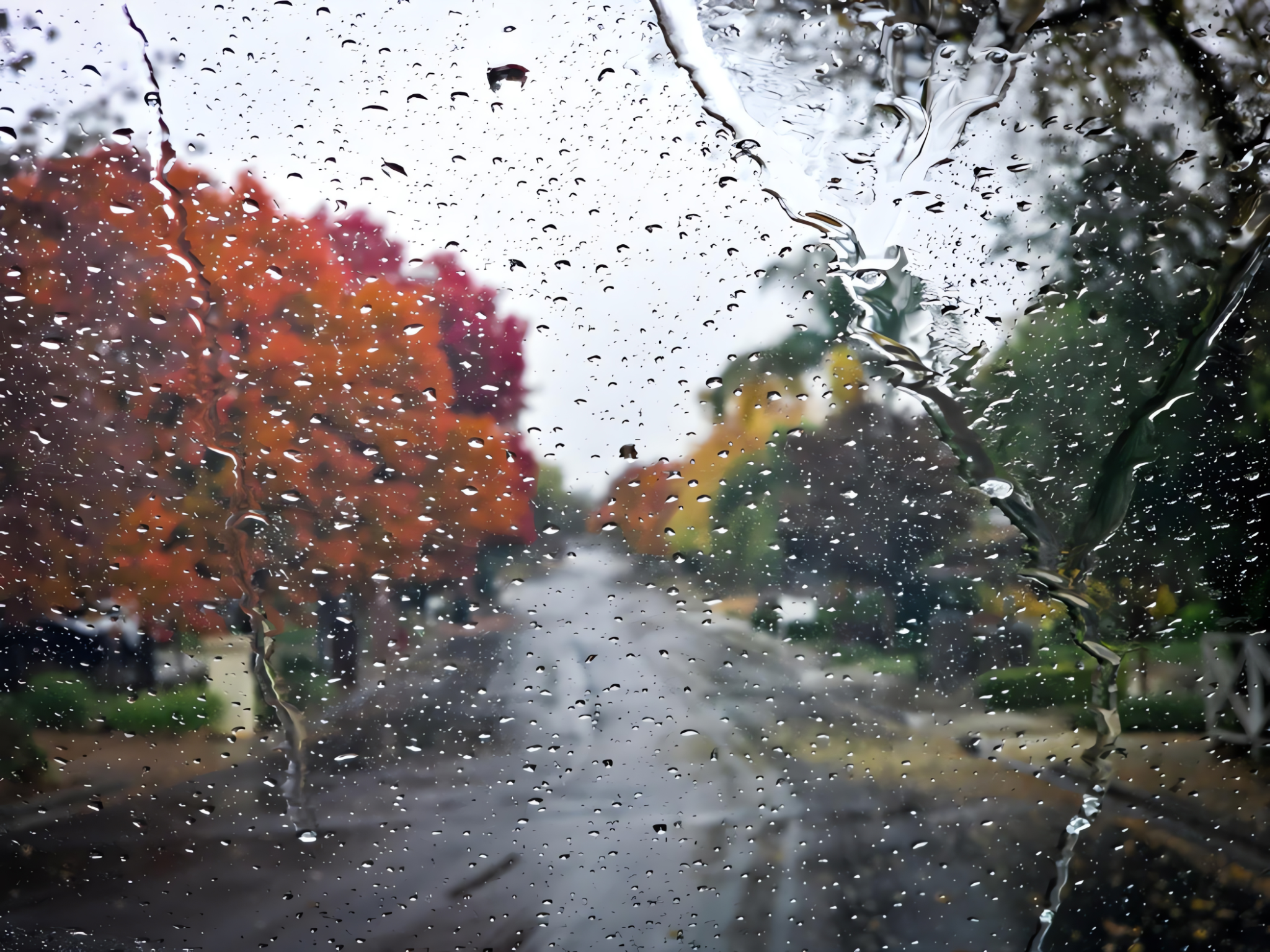
The other day, I was caught in a downpour. Not the kind that makes you run for cover, but the kind that invites you to slow down and appreciate the world anew. The road shimmered with a glassy sheen, fallen leaves clinging to the asphalt like colorful confetti. Above, the trees were ablaze in autumn hues – crimson, gold, and rust – a breathtaking spectacle orchestrated by nature itself.


Of course, I had to capture it. But here’s the thing: my photos, while beautiful, didn’t quite capture the magic of that moment. That’s where AI stepped in. Using some of my favorite AI tools, I was able to enhance the vibrancy of the colors, sharpen the details, and truly bring out the essence of that rainy, autumnal scene.

This got me thinking about the interplay between nature, human, and AI.

Nature, the Master Artist: Rain, falling leaves, the fiery tapestry of fall – these are all God’s creations, reminders of the beauty and power of the natural world. We, as humans, are inherently drawn to this beauty, seeking to experience it, understand it, and capture it.

Human, the Creative Curator: But it takes a human eye to recognize the perfect composition, the ideal angle, the precise moment to press the shutter. We are the curators of nature’s beauty, choosing what to focus on, what story to tell.

AI, the Enhancer: AI tools, like the ones I used, can amplify our creative vision. They can help us bring out details we might have missed, enhance colors, and create truly stunning visuals.

Collaboration, the Key: This experience highlighted the importance of collaboration. Nature provides the canvas, humans provide the artistic vision, and AI provides the tools to refine and enhance that vision. None can fully replace the other; each plays a crucial role in the creative process.

Just as a painter needs brushes and paint to bring their vision to life, we humans can leverage AI to better capture and express the beauty of God’s creation. It’s a collaboration that allows us to appreciate and share the wonders of the natural world in new and exciting ways.

What are your thoughts? How have you used AI to enhance your own creative endeavors? Share your experiences in the instagram or facebook or LinkedIn!

SHARE :

Facebook

Twitter

LinkedIn

Written By

Praveena Jogi


Let’s Talk

More Articles